
Welcome to the XNX Transmitter Installation Manual 2022. This guide provides comprehensive instructions for installing, operating, and maintaining the Honeywell XNX Universal Transmitter, designed for hazardous areas.
1.1 Overview of the XNX Universal Transmitter
The XNX Universal Transmitter is a cutting-edge gas detection device designed for hazardous areas. It supports multiple sensing technologies, including catalytic bead and infrared, ensuring versatility in gas detection. With ruggedized mounting options and flexible installation configurations, the XNX transmitter offers reliability and adaptability for industrial environments. Its advanced design and certification for global use make it a robust solution for toxic and flammable gas monitoring, ensuring safety and efficiency in various applications.
1.2 Importance of Proper Installation
Proper installation of the XNX Universal Transmitter is critical for ensuring safety, accuracy, and reliability. Incorrect installation can lead to reduced performance, inaccurate readings, or even safety risks in hazardous environments. Adhering to the guidelines in this manual ensures compliance with safety standards and regulations. Proper setup also extends the lifespan of the device and maintains its effectiveness in detecting toxic and flammable gases. Always follow the recommended procedures to guarantee optimal functionality and reliability in industrial settings.

1.3 Scope of the Manual
This manual provides a comprehensive guide for the installation, configuration, and maintenance of the XNX Universal Transmitter. It covers essential steps for mounting, wiring, and calibrating the device, ensuring optimal performance and safety. The manual also includes troubleshooting tips and compliance guidelines for hazardous area installations. Designed for technicians and installers, it offers detailed instructions to guarantee proper setup and long-term reliability of the transmitter. Follow this guide to ensure compliance with safety standards and achieve accurate gas detection in industrial environments.

Pre-Installation Requirements
Ensure compliance with safety protocols, environmental assessments, and proper tools. Verify all components and materials are available before starting the installation process for optimal efficiency and safety.
2.1 Safety Precautions
Always follow proper safety protocols when handling the XNX transmitter. Ensure grounding to prevent electrostatic discharge (ESD). Wear appropriate PPE, including gloves and safety glasses. Avoid exposing the device to extreme temperatures or humidity. Never connect power sources without verifying compatibility. Adhere to hazardous area regulations and manufacturer guidelines. Properly isolate power before servicing. Use approved tools to prevent damage or risk of explosion. Ensure the area is well-ventilated and free from flammable substances. Compliance with safety standards is critical for safe installation and operation.
2.2 Tools and Materials Needed
To ensure a smooth installation, gather the following tools and materials: a wrench, screwdrivers, multimeter, torque wrench, and cable ties. Required materials include mounting brackets, power cables, signal wires, and gaskets. Use Honeywell-approved accessories for compatibility. Ensure all tools are calibrated and suitable for hazardous area work. Keep a copy of the manual nearby for reference. Proper preparation of these items will facilitate a safe and efficient installation process, minimizing downtime and ensuring system reliability.
2.3 Understanding the Transmitter Components
The XNX Universal Transmitter features a robust design with five threaded ports for sensor and cable connections. Key components include the transmitter housing, sensor module, and communication interface. The housing is built for durability in hazardous environments, while the sensor module supports various gas detection technologies. Familiarize yourself with the power supply terminals, signal output ports, and configuration buttons. Understanding these components ensures proper installation, operation, and maintenance, optimizing performance and safety in industrial settings.

Mounting the XNX Transmitter
Proper mounting ensures safe and reliable operation. The XNX Transmitter offers flexible mounting options, including wall, pipe, or DIN rail installations, suitable for hazardous environments. Durable and versatile designs provide optimal installation flexibility, ensuring compliance with safety standards and ease of access for maintenance. Always follow the manufacturer’s guidelines for secure and stable installation to guarantee long-term functionality and safety.
3.1 Choosing the Correct Location

Selecting the right location for the XNX Transmitter is crucial for optimal performance and safety. Ensure the area is free from extreme temperatures, vibrations, and corrosive substances. Choose a location that provides easy access for maintenance and calibration. The transmitter should be installed in a well-ventilated area, away from direct sunlight and moisture. Additionally, consider proximity to the sensor and power supply to minimize wiring complexity. Always adhere to local safety regulations and manufacturer guidelines for hazardous environments.
3.2 Mounting Options and Accessories
The XNX Transmitter offers versatile mounting options to suit various installation needs. It features five threaded ports available in metric or NPT versions, ensuring compatibility with different setups. Ruggedized mounting accessories provide enhanced durability and flexibility. These options allow for secure installation in hazardous areas, ensuring reliable performance. Additional accessories, such as mounting brackets and adapters, simplify the process and ensure a stable setup. Choose the configuration that best fits your environment for optimal functionality and ease of maintenance.
3.3 Securing the Transmitter
Properly securing the XNX Transmitter is crucial for reliable operation. Use approved mounting brackets and adapters to ensure a stable installation. Tighten all fasteners to the recommended torque specifications to prevent vibration or movement. Ensure the transmitter is level and firmly attached to the mounting surface. For hazardous areas, verify that all connections meet safety standards. Regularly inspect the mounting hardware to maintain integrity and prevent loosening over time. A secure installation ensures accurate performance and compliance with safety regulations.
Wiring and Electrical Connections
This section outlines the proper procedures for wiring and electrical connections of the XNX Transmitter. Ensure all connections are secure, follow safety standards, and refer to the wiring diagram for accurate installation. Use appropriate tools and materials to maintain reliable connections and prevent electrical issues.
4.1 Understanding the Wiring Diagram
The wiring diagram is a critical tool for installing the XNX Transmitter. It provides a visual representation of all electrical connections, ensuring proper setup. Color-coded wires and symbols simplify identification. The diagram outlines power supply connections, sensor integration, and signal outputs. Always refer to the manual for specific instructions and safety guidelines. Proper interpretation of the wiring diagram ensures reliable operation and prevents electrical hazards. Use the diagram to verify connections before powering up the transmitter.
4.2 Connecting the Power Supply
Connecting the power supply to the XNX Transmitter requires careful attention to the manual. Locate the power terminals and ensure all connections are secure. Use the appropriate wiring to match the transmitter’s voltage requirements. Double-check the power supply specifications to avoid damage. Once connected, perform a power-on test to verify proper operation. Always follow safety guidelines to prevent electrical hazards. Ensure the power source is stable and compatible with the transmitter’s design specifications for optimal performance.
4.3 Configuring Input/Output Signals
Configuring input/output signals for the XNX Transmitter ensures proper communication with connected devices. Refer to the wiring diagram in the manual to identify correct terminals for signal connections. Set the appropriate signal range and ensure compatibility with the connected system. Use Honeywell-approved software for advanced signal configuration. Verify all settings align with the transmitter’s operational requirements. Perform a test to confirm signal accuracy and ensure seamless data transmission. Proper configuration is critical for reliable performance and accurate measurements. Always follow the manual’s guidelines for optimal results.
Power Supply and Battery Configuration
The XNX Transmitter requires a stable power supply and proper battery configuration to ensure reliable operation. Use DC power sources and install batteries correctly for optimal performance and safety.
5.1 Power Requirements
The XNX Transmitter operates on a DC power supply, typically between 12-24 VDC. Ensure the power source meets these specifications to maintain optimal performance. The transmitter is designed to function efficiently within this voltage range, providing reliable gas detection and communication. Proper power supply installation is crucial to avoid malfunctions and ensure safety in hazardous environments. Always refer to the manual for specific power requirements and compatibility guidelines.
5.2 Battery Installation and Maintenance
For battery-powered XNX Transmitters, use compatible rechargeable or non-rechargeable batteries as specified in the manual. Ensure proper installation by following the polarity markings. Regularly inspect battery terminals for corrosion and clean them if necessary. Store spare batteries in a cool, dry place. Avoid extreme temperatures to maintain battery health. Monitor battery voltage levels and replace them when they fall below the recommended threshold to ensure uninterrupted operation. Always disconnect the power source before performing battery maintenance to prevent electrical hazards.
5.3 Backup Power Options
The XNX Transmitter supports various backup power options to ensure continuous operation during primary power failures. Consider using an external power supply, UPS, or solar panels for reliable backup. For battery-powered units, ensure batteries are fully charged and stored correctly. Regularly test backup systems to confirm functionality. Select backup solutions based on environmental conditions and load requirements. Always follow manufacturer guidelines for compatibility and safety. Proper backup power ensures uninterrupted monitoring and data accuracy, critical for hazardous area applications.

Sensor Installation and Configuration
Proper sensor installation ensures accurate gas detection. Follow manufacturer guidelines for mounting and connecting sensors to the XNX Transmitter. Configure settings to optimize performance and reliability.
6.1 Mounting the Sensor
Properly mount the sensor to ensure accurate gas detection and system reliability; Use the provided threaded ports or ruggedized mounting accessories for secure installation. Ensure the sensor is level and positioned to avoid obstructions. Refer to the manual for specific torque values to prevent damage. Choose a location that minimizes interference from environmental factors. Secure the sensor firmly to withstand operational conditions. Always follow safety guidelines when handling electrostatic-sensitive components. Correct mounting is critical for optimal performance and longevity of the XNX Transmitter system.
6.2 Connecting the Sensor to the Transmitter
Connect the sensor to the XNX Transmitter using the appropriate wiring and connectors. Refer to the wiring diagram in the manual for correct terminal connections. Ensure proper alignment and secure the sensor cable to prevent vibration damage. Tighten connectors firmly but avoid over-tightening, which may damage threads. Verify that all connections are snug and free from corrosion. Use gaskets or seals if required for environmental protection. Double-check the wiring for accuracy to ensure proper communication between the sensor and transmitter. This step is critical for reliable gas detection and system performance.
6.3 Configuring Sensor Settings
After connecting the sensor, configure its settings according to the application requirements. Access the transmitter’s menu to select the appropriate sensor type and calibration parameters. Set the measurement range, alarm thresholds, and response time. Use Honeywell-approved software tools for advanced configurations. Ensure all settings align with the sensor’s specifications and environmental conditions. Refer to the manual for detailed instructions on configuring specific sensor models. Verify settings by performing a test cycle to ensure accurate readings and proper system functionality.
Calibration and Testing
Calibration ensures accurate sensor performance. Follow manual guidelines for zero and span adjustments using certified gases. Verify transmitter response and functionality post-calibration to ensure reliable operation.
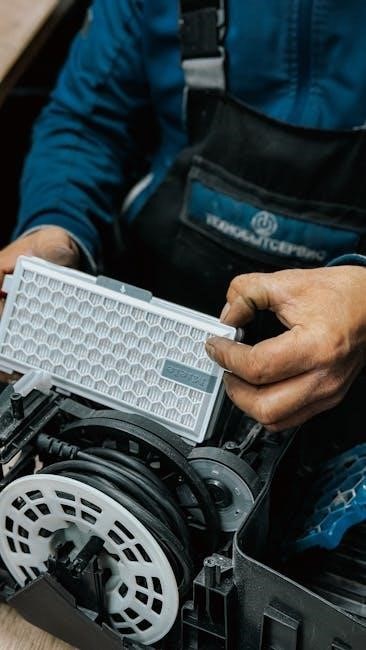
7.1 Pre-Calibration Checks
Before calibration, ensure the transmitter is powered on and all connections are secure. Verify the sensor is properly mounted and configured. Check for any damage or obstructions. Ensure the power supply matches specifications and wiring is correct. Perform a visual inspection of the transmitter and sensor. Verify communication settings if applicable. Consult the manual for specific pre-calibration procedures to ensure accurate results. Proper preparation is crucial for reliable calibration outcomes.
7.2 Calibration Procedures
Calibration ensures accurate measurement and reliable performance. Begin by exposing the sensor to a known gas concentration, following the manual’s specific instructions. Adjust the zero and span settings as required, referencing the wiring diagram. Verify the sensor’s response and ensure all adjustments align with the manufacturer’s guidelines. Document the calibration results for future reference. Repeat the process if necessary to achieve optimal accuracy. Proper calibration is essential for precise gas detection and transmitter functionality.
7.3 Post-Calibration Testing
After calibration, perform thorough testing to ensure the transmitter operates accurately. Test the sensor under various conditions to verify response consistency. Check electrical connections for integrity and ensure all signals are transmitted correctly. Review the wiring diagram to confirm proper configuration. Verify that alarms and notifications function as programmed. Document the test results and compare them against the manufacturer’s specifications. This step ensures the system meets performance criteria and provides reliable data for safe operation.

Advanced Configuration Options
The XNX Transmitter offers customizable settings, enabling tailored configurations for specific applications. Advanced features include integration with control systems, enhancing functionality and ensuring reliable performance in industrial environments.
8.1 Customizing Transmitter Settings

Customizing the XNX Transmitter settings allows users to tailor the device to specific applications. Through advanced software tools, parameters such as sensor configurations, alarm thresholds, and communication protocols can be adjusted. This ensures optimal performance and adaptability to varying environmental conditions. The transmitter’s flexibility enables seamless integration with existing systems, enhancing overall functionality and reliability. Proper customization requires adherence to the manual’s guidelines to maintain safety and efficiency.
8.2 Setting Up Alarms and Notifications
Setting up alarms and notifications on the XNX Transmitter ensures timely alerts for critical conditions. Users can define thresholds for gas levels, sensor faults, and system errors. Notifications can be configured via email, SMS, or integration with control systems. Customizable alarm priorities help differentiate between minor and critical events. Regular testing of alarm systems is essential to ensure reliability. Proper setup enhances safety, enabling swift responses to potential hazards and maintaining operational integrity.
8.3 Integrating with Control Systems
The XNX Transmitter seamlessly integrates with various control systems, enhancing monitoring and control capabilities. It supports multiple communication protocols, including Modbus and HART, ensuring compatibility with industrial automation systems. Users can configure the transmitter to send real-time data and receive control commands. Integration enables centralized monitoring, remote adjustments, and automated responses to system events. This capability streamlines operations and improves efficiency, making it ideal for industrial and hazardous environments where precise control is essential.
Safety Procedures and Compliance
The XNX Transmitter is certified for hazardous areas, ensuring safe operation. Always follow ESD handling procedures and comply with local regulations. Proper installation and maintenance are critical for safety and reliability.
9.1 Handling Electrostatic Sensitive Devices
When handling the XNX Transmitter, ensure proper grounding to prevent electrostatic discharge (ESD). Use an anti-static wrist strap or mat to discharge static electricity. Avoid touching sensitive components directly. Ground yourself before handling the device to prevent damage. Store components in anti-static packaging when not in use. Improper handling can cause irreversible damage to the transmitter’s electronic circuitry. Always follow ESD precautions to maintain the integrity and functionality of the device during installation and maintenance.
9.2 Compliance with Hazardous Area Regulations
The XNX Transmitter is certified for use in hazardous areas, adhering to global standards like ATEX and IECEx. Ensure all installations comply with local and international regulations for explosive environments. Proper grounding, wiring, and equipment selection are critical to maintain safety and certification. Always follow the manufacturer’s guidelines for installation and maintenance in hazardous locations to prevent risks and ensure legal compliance. Non-compliance can lead to safety hazards and regulatory penalties.
9.3 Emergency Shutdown Procedures
In case of an emergency, ensure the XNX Transmitter is shut down safely. Activate the emergency stop button if available. Isolate power to the transmitter and disconnect all sensors. Follow the manufacturer’s shutdown sequence to prevent damage or hazardous gas release. Always refer to the manual for specific procedures. Ensure all personnel are trained in emergency protocols to maintain safety and compliance with regulations. Proper shutdown ensures system integrity and prevents potential risks.

Maintenance and Troubleshooting
Regular maintenance ensures optimal performance and longevity of the XNX Transmitter. Perform routine checks, clean components, and address issues promptly to maintain reliability and safety.
10.1 Routine Maintenance Tasks
Perform routine maintenance to ensure the XNX Transmitter operates efficiently. Clean the transmitter housing, inspect wiring connections, and verify sensor functionality. Check battery levels and replace if necessary. Ensure all electrical connections are secure and free from corrosion. Regularly update software and firmware to maintain optimal performance. Document all maintenance activities for future reference. Address any alarms or error messages promptly to prevent system downtime. Always follow the manufacturer’s guidelines for servicing and calibration.
10.2 Common Issues and Solutions
Common issues with the XNX Transmitter include faulty sensor connections, power supply problems, and software glitches. For sensor issues, check connections and ensure proper alignment. Power supply problems may require verifying wiring and voltage levels. Software glitches can often be resolved by restarting the device or updating firmware. If error codes appear, consult the troubleshooting section in the manual. Regular maintenance and calibration can prevent many of these issues. Always refer to the manufacturer’s guidelines for detailed solutions.
10.3 Diagnostic Tools and Techniques
Diagnosing issues with the XNX Transmitter involves using built-in diagnostic tools and external devices. Utilize the transmitter’s self-test feature to identify faults. Error codes provide specific insights into malfunctions. Use multimeters to verify wiring and voltage levels. Additionally, check sensor connections and power supply stability. Advanced techniques include reviewing event logs and performing functional tests. For complex issues, refer to the troubleshooting guide in the manual or contact Honeywell support for assistance. Regular diagnostics ensure optimal performance and reliability.
Thank you for following the XNX Transmitter Installation Manual 2022. This guide has provided detailed steps for successful installation, operation, and maintenance. For further assistance, consult additional resources.
11.1 Summary of Key Steps
The XNX Transmitter Installation Manual 2022 guides you through essential steps for successful installation and operation. Key steps include proper mounting, wiring, and configuration. Ensure all safety precautions are followed, and verify connections before power-up. Calibrate the transmitter accurately and test functionality post-installation. Regular maintenance and troubleshooting ensure long-term reliability. Refer to the manual for detailed procedures and compliance with safety standards. Adhere to manufacturer recommendations for optimal performance and safety.
11.2 Final Checks and Verification
After completing the installation, perform a thorough verification of all components. Ensure the XNX Transmitter is securely mounted, and all electrical connections are correct. Verify power supply stability and sensor calibration accuracy. Test alarm and notification systems to confirm proper functionality. Review all safety procedures and compliance standards. Double-check the wiring diagram and configuration settings. Finally, ensure the transmitter operates within specified parameters and all diagnostic tests pass successfully. Consult the manual for any final adjustments or validations needed before commissioning the system.
References and Additional Resources
Refer to the Honeywell Analytics XNX Universal Transmitter Technical Manual and the XNX Uni Transmitter_Manual.pdf for detailed specifications. Visit the official Honeywell support website for additional resources and updates.
12.1 Manufacturer Documentation
The Honeywell Analytics XNX Universal Transmitter Technical Manual is the primary resource for detailed specifications and installation guidelines. It is available as a downloadable PDF, titled XNX Uni Transmitter_Manual.pdf, and provides comprehensive information on safety, wiring, and maintenance. For additional support, visit the official Honeywell Analytics website, which offers technical documentation, troubleshooting guides, and software tools to ensure optimal performance of the XNX transmitter.
12.2 Online Support and Forums
For additional support, visit the official Honeywell Analytics website, which offers technical documentation, troubleshooting guides, and software tools to ensure optimal performance of the XNX transmitter.
12.3 Training and Certification Programs
Honeywell offers comprehensive training and certification programs for the XNX Universal Transmitter, ensuring users master installation, operation, and maintenance. These programs include hands-on sessions, theoretical courses, and certification upon completion. They are designed to enhance technical expertise and compliance with industry standards. Visit the Honeywell Training Portal to explore available courses and certification options tailored to your needs.
No Responses