Village Overview
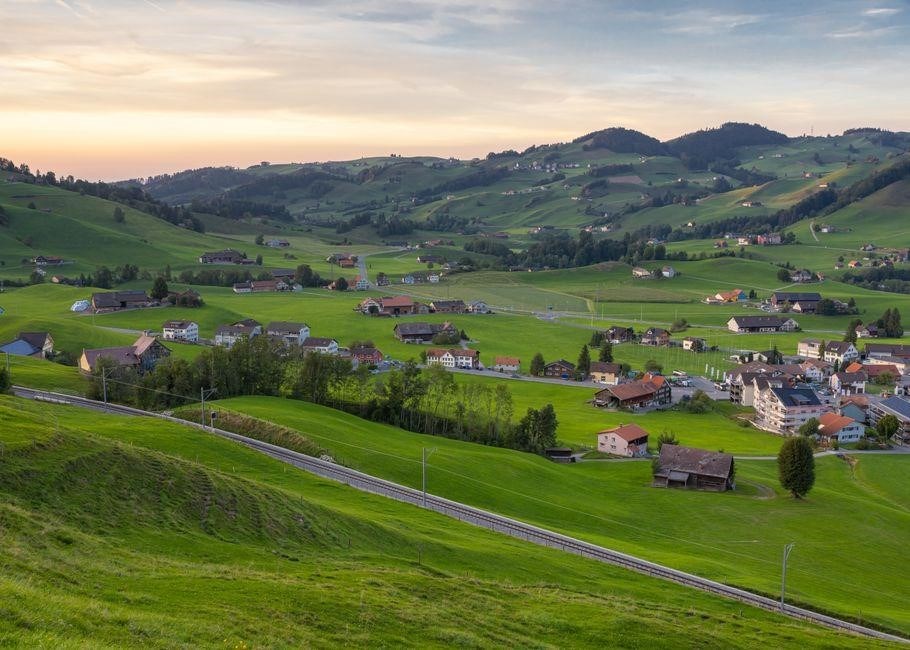
SWG villages are dynamic hubs where players craft, trade, and socialize․ They feature diverse terrains, resource nodes, and community quests․ Players build homes, farms, and guild halls, fostering a sandbox economy that thrives on cooperation and creativity․
Players unite for quests and trade together․
Definition
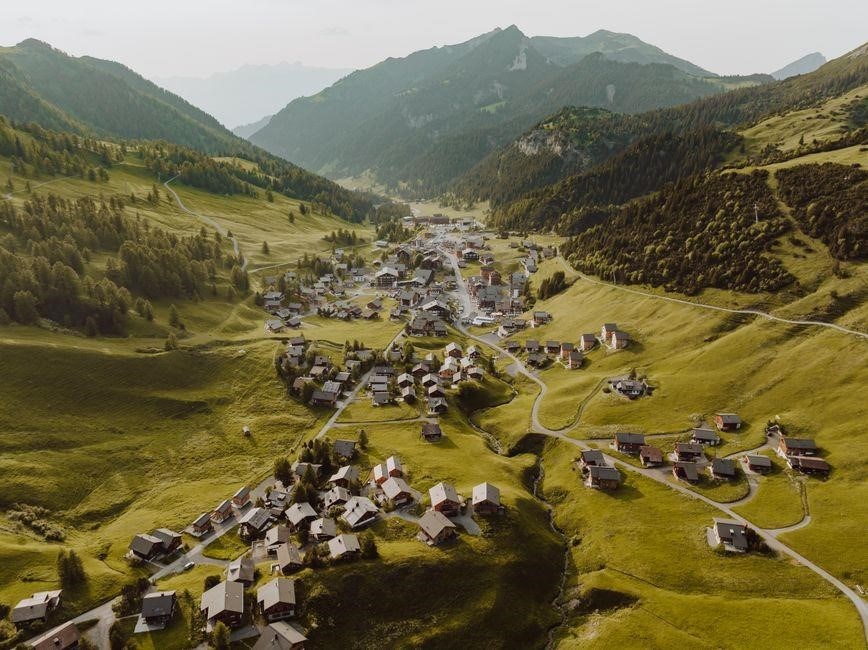
In Star Wars Galaxies, a village is a player‑created settlement that serves as a focal point for community interaction, resource gathering, and economic activity․ Unlike traditional MMO towns, SWG villages are built from scratch by players using the game’s construction tools, allowing them to design layouts, place structures, and designate functional zones such as farms, workshops, and guild halls․ The core of a village is its collaborative spirit: players share resources, trade goods, and coordinate large‑scale projects, turning the virtual landscape into a living ecosystem․ Villages also host social events, quests, and competitions, fostering a sense of belonging and identity within the broader game world․ The architecture of a village can range from simple huts to elaborate castles, reflecting the creativity and ambition of its inhabitants․ Because SWG’s sandbox design grants no fixed endgame, villages evolve over time, adapting to player needs and shifting economic trends․ The success of a village hinges on active participation, mutual support, and the willingness of its members to invest time and effort into collective endeavors․ Ultimately, a SWG village is more than just a cluster of buildings; it is a dynamic community that embodies the game’s emphasis on player agency, cooperation, and open‑world exploration․ Players often collaborate on large‑scale building projects, such as constructing communal farms, crafting guild halls, or establishing trade outposts, requiring coordinated resource gathering and skill sharing strengthens the villages resilience now

Selecting Village
Choosing a village hinges on terrain, resources, and community size․ Look for fertile fields, abundant ore nodes, and a welcoming guild․ Evaluate accessibility to trade routes and quest hubs․ A balanced mix of agriculture and mining fuels growth and keeps players engaged․!Join now
Popular Villages
In the Star Wars Galaxies sandbox, villages rise to prominence through strategic locations, abundant resources, and vibrant communities․ Popular hubs include Corellian Outpost, Tatooine’s mining colony, Naboo’s Greenfields, and Coruscant’s research village, each offering unique benefits for players of all skill levels․ These hubs thrive on comm cooperationand
Corellian Outpost thrives on its central trade routes, making it a prime spot for merchants and traders․ Players can quickly access rare crafting materials and participate in large‑scale guild events․ The Tatooine mining colony, meanwhile, boasts rich ore deposits and a tight‑knit community that focuses on mining professions and blacksmithing․ Naboo’s Greenfields is ideal for agricultural players, offering fertile soil, abundant crops, and a peaceful environment for crafting food‑based items․ Coruscant’s research village attracts tech enthusiasts, providing advanced laboratories and rare tech components․ The village also hosts a lightsaber duel tournament for all players today
Choosing a village depends on your play style․ If you enjoy trading, Corellian Outpost is the go‑to․ For those who love mining and crafting, the Tatooine colony is unbeatable․ Naboo’s Greenfields rewards players, while tech‑savvy players head to Coruscant’s research village․ Regardless of choice, each village offers a supportive community, ample resources, and a clear path to progression․ Many villages also host weekly guild gatherings where players trade tips, items, and form alliances daily
Join now! Joinus
Economy
SWG village economies thrive on resource gathering, crafting, and trade․ Players harvest ore, plants, and fish, then process them into goods sold in local markets․ Guilds coordinate large‑scale production, while trade routes connect villages, ensuring a flow of currency rare items․ All markets thrive!!!!!!
Resources
In Star Wars Galaxies villages, resource gathering is the backbone of the sandbox economy․ Players can harvest a wide array of natural materials from the surrounding environment: ore from mining sites, plants from farms, and fish from water bodies․ Each resource type has distinct harvesting tools and skill requirements, encouraging players to specialize or collaborate․ Mining operations often involve drilling rigs, pickaxes, and ore carts, while botanical harvesting relies on shears, harvesters, and seed packets․ Fishing uses nets, spears, and bait, and even rare aquatic species can be found in deeper waters․ The abundance of resources varies by biome; desert villages feature sand crystals and rare minerals, whereas forested areas yield timber, herbs, and fauna․ Players can also gather exotic items such as crystal shards, rare metals, and unique flora that are highly sought after by traders and guilds․ Resource nodes regenerate over time, creating a dynamic cycle that rewards regular exploration and strategic planning․ Advanced players often set up automated harvesting systems, using drones or automated carts to maximize output․ The variety of resources fuels crafting professions, allowing players to create weapons, armor, vehicles, and consumables․ Additionally, resource scarcity can drive local markets, prompting trade routes between villages and encouraging cooperative ventures․ The system balances scarcity and abundance, ensuring that no single resource dominates the economy providing opportunities for players to specialize and thrive !
Markets
Village markets in SWG are bustling centers of trade where players exchange crafted goods, harvested resources, and rare items․ Each village hosts a main bazaar area, often featuring stalls, kiosks, and communal trade tables․ Players set up personal shops using the in‑game shop interface, allowing them to list items with price tags, quantity limits, and optional descriptions․ The marketplace operates on a dynamic pricing system: supply and demand directly influence item values, encouraging players to monitor market trends and adjust prices accordingly․ Seasonal events, such as festivals or resource shortages, can cause temporary price spikes or discounts, rewarding savvy traders who anticipate shifts․ Guilds frequently establish collective stalls to showcase guild‑specific items, promote group achievements, and offer bulk discounts to members․ Additionally, some villages feature special auction houses where high‑value items are bid on by multiple players, creating competitive bidding wars that can yield significant profits․ Players can also barter directly, swapping items without using currency, which is especially useful for obtaining unique or hard‑to‑find goods․ Market data is often shared through community forums, in‑game chat channels, and dedicated market‑tracking tools, enabling players to compare prices across villages and plan efficient trade routes․ The open‑world nature of SWG means that market dynamics differ from one region to another, reflecting local resource abundance, population density, and player activity․ Successful traders build reputations as reliable merchants, attract repeat customers, and sometimes become pivotal figures in the village economy․ The market system not only supports individual progression but also fosters interaction, cooperation, and a shared economy that evolves with player choicesandglobal events․
Trade Routes

In SWG villages, trade routes are the arteries that connect resource‑rich outposts, bustling trade hubs, and remote settlements․ Players map out paths using the in‑game map, noting warp points, safe zones, and hostile territories․ Efficient routes often follow natural corridors—riverbanks, canyon walls, or star‑aligned waypoints—to reduce travel time and avoid ambushes․ Guilds establish “trade lanes” where caravans of players escort each other, sharing information about enemy spawns, resource caches, and optimal travel speeds․ The economy benefits from these lanes: merchants can deliver goods faster, reducing spoilage for perishable items, and players can negotiate bulk transport discounts․ Some routes are guarded by NPC factions that offer quests or trade bonuses for safe passage․ The dynamic nature of SWG means routes can shift: a new mining operation may create a lucrative path, while a pirate raid can render a corridor unsafe․ Keeping an up‑to‑date route map is essential for traders, and many villages host bulletin boards where players post route updates, travel tips, and warnings about ambushes․ By mastering trade routes, players can maximize profits, support their village’s economy, and become indispensable links in the sprawling SWG network and trade daily․
Professions
Professions in SWG villages range from crafting, mining, and farming to advanced Force‑sensitive roles․ Players learn skills through quests, guild training, and resource gathering․ Each profession supports the village economy, enabling trade, defense, and community growth․ They craft weapons․!!
Force Sensitive / Jedi Path
In SWG villages, the Force‑Sensitive path blends combat, diplomacy, and mystic training․ Players start with the Intro Quest “The Old Man,” unlocking basic Force abilities and the Light‑Side philosophy․ From there, they pursue the Jedi Path, mastering lightsabers, Force pushes, and healing techniques․
Training occurs at Jedi temples across the galaxy․ Each temple offers skill trees—Lightsaber Mastery, Force Push, Force Heal, Force Shield․ Players collect rare crystals, complete community quests, and earn reputation to unlock higher tiers․ The path rewards creativity, encouraging custom lightsaber blades and robes․
Community is vital․ Guilds form “Jedi Orders,” scheduling daily training, sharing rare items, and coordinating defense against hostile NPCs․ The path offers unique quests that require cooperation with other Force‑Sensitive players to solve puzzles, negotiate peace, or defeat powerful adversaries․
Beyond combat, Jedi Path players gain access to special markets for trading Force‑enhanced items․ They also join “Force‑Sensitive” events, like the annual Lightsaber Showcase, where players display custom builds and compete for rare rewards․ The progression system keeps players engaged, offering new abilities and lore as they advance․
Ultimately, the Force‑Sensitive/Jedi Path provides a rich, immersive experience that blends skill development, community collaboration, and narrative depth․ It encourages exploration of the galaxy’s secrets, mastery of the Force, and the role of true guardians of peace․
Player Tips
Start by farming low‑level resources near your village; use the XP conversion system to level quickly․ Join community events for rare items, trade with guildmates, and keep an eye on market trends․ Remember to balance crafting, questing, and socializing for a well‑rounded playstyle․
XP Conversion System
XP conversion in SWG villages is the cornerstone of progression, turning raw resource gathering into meaningful level gains․ Players collect items such as ore, herbs, and crafted goods, then deposit them at designated conversion stations․ Each item type has a specific XP value, and the conversion rate scales with the player’s current level and skill․ The system rewards efficient farming: high‑yield nodes near the village, combined with a well‑timed queue, can deliver dozens of experience points in a single trip․ Additionally, certain rare items grant bonus XP multipliers when used in conjunction with guild‑owned conversion facilities, encouraging cooperative play․ To maximize gains, players should prioritize items that offer the highest XP per resource cost, and use the in‑game calculator to plan their harvest routes․ The conversion process also supports skill training: converting items that match a player’s chosen profession grants extra skill points, accelerating mastery of crafting or combat techniques․ Finally, the XP conversion system is tightly integrated with the village economy; as more players convert resources, market prices shift, creating a dynamic feedback loop that keeps the sandbox vibrant․ Players often share conversion strategies on community forums, where veteran villagers post optimal routes and timing hacks․ These shared insights can shave minutes off a daily grind, allowing more time for exploration or PvP․ Moreover, the conversion system is designed to be forgiving for newcomers; even low‑level players can accumulate enough XP to reach the next tier by simply gathering common resources․ As players advance, the system introduces diminishing returns on over‑used items, nudging them toward diversification․ This mechanic ensures that the village remains a living ecosystem, where every choice has tangible consequences․ Ultimately, mastering the XP conversion system not only accelerates leveling but also deepens a player’s engagement with the village’s social and economic fabric․

Community & Events
SWG villages thrive on player interaction, with weekly festivals, guild tournaments, and spontaneous market fairs that keep the sandbox alive․
The community calendar, accessible from the village hub, lists scheduled events such as the Harvest Festival, where villagers trade surplus crops for rare crafting materials, and the Lightsaber Duel Night, a PvP showcase that rewards participants with exclusive blaster skins․
Guilds organize monthly “Build‑Your‑Own‑Home” contests, encouraging creative architecture and offering in‑game currency prizes․
Seasonal events like the Winter Solstice bring themed quests, limited‑time items, and community‑crafted decorations that illuminate the village․
Players often form temporary alliances to tackle high‑level dungeons, then celebrate victories in communal taverns with custom music and shared loot․
The village’s social hub hosts a “Storytelling Corner” where veteran players narrate lore, fostering a sense of continuity․
Additionally, the server’s event system automatically triggers random “Mystery Drop” occurrences, where a hidden chest appears in a random location, prompting players to race and collaborate to claim the reward․
Community initiatives daily everyday like the “Eco‑Friendly Farming” program incentivize sustainable resource gathering for harvesting without over‑exploiting nodes․ dailydaily
The village supports a mentorship program, pairing new players with guides who provide tips on quests and navigation, ensuring newcomers feel welcomed․
Regular community polls decide on future village expansions, allowing players to vote on new structures․
No Responses