
The Diary of Anne Frank Play Script PDF: A Comprehensive Guide
Finding the PDF script involves navigating legitimate sources like Play Service‚ Inc.‚ ensuring proper licensing for performances‚ and understanding copyright restrictions.
Detailed set descriptions and musical scores are often included.

Understanding the Play’s Origins
The play‚ adapted from Anne Frank’s poignant diary‚ traces its roots to Frances Goodrich and Albert Hackett’s 1955 theatrical adaptation. This initial version brought the deeply personal story of a young Jewish girl hiding from Nazi persecution to a wider audience‚ resonating profoundly with post-war sentiments.

The Hacketts meticulously preserved Anne’s spirit‚ showcasing her optimism and resilience even amidst unimaginable hardship. Their work wasn’t a verbatim transcription‚ but a carefully constructed dramatization drawing heavily from the diary’s entries. Later revisions‚ particularly the 1997 version by Wendy Kesselman‚ aimed for greater historical accuracy and emotional depth‚ addressing complexities often glossed over in earlier adaptations.
The enduring appeal of the play lies in its ability to humanize the horrors of the Holocaust through the intimate lens of one family’s experience. It’s a testament to Anne’s enduring legacy‚ transforming her private writings into a powerful theatrical experience that continues to educate and inspire generations. Play Service‚ Inc. plays a crucial role in distributing and licensing the script‚ ensuring its continued availability for theatrical productions worldwide.
The Historical Context of Anne Frank’s Diary

Anne Frank’s diary emerged from the harrowing backdrop of World War II and the Nazi regime’s systematic persecution of Jews. Forced into hiding in 1942 with her family in Amsterdam‚ Anne documented her experiences‚ fears‚ and hopes within the confines of the “Secret Annex.” This period coincided with escalating deportations to concentration camps‚ a grim reality looming over Anne and her fellow hiders;
The diary provides a unique‚ firsthand account of daily life under Nazi occupation – the constant fear of discovery‚ the rationing of food‚ and the psychological toll of confinement. It’s crucial to understand that Anne’s story isn’t isolated; it represents the experiences of millions affected by the Holocaust.
The play adaptation‚ and consequently the PDF script‚ serves as a powerful reminder of this historical context. Understanding the political and social climate of the time deepens the play’s impact‚ highlighting the bravery and resilience of those who fought for survival against overwhelming odds. Studying this context alongside the script enhances appreciation for Anne’s words and the gravity of her situation.
Availability of the Play Script in PDF Format

The Diary of Anne Frank play script in PDF format isn’t universally available for free download due to copyright restrictions. However‚ legitimate avenues exist for accessing it. Play Service‚ Inc. is a primary source‚ offering the script for purchase or licensing. Their website provides details on obtaining a PDF copy‚ often requiring registration or a fee.
Online searches may yield results‚ but caution is advised. Many free PDFs circulating online are unauthorized copies‚ potentially violating copyright laws. Utilizing official sources ensures you’re accessing a legally obtained and accurate version of the script. Dramatists Play Service‚ Inc. is specifically mentioned as a key provider.
Purchasing the PDF often includes supplementary materials like set design descriptions and musical scores for the songs featured in the play. These additions enhance the theatrical experience and provide valuable resources for directors and performers. Always verify the source’s legitimacy before downloading any PDF script.
Where to Find Legitimate PDF Copies
To secure a legitimate PDF copy of The Diary of Anne Frank play script‚ prioritize authorized vendors. Play Service‚ Inc. stands as the most reliable source‚ offering the script directly through their website. They provide options for purchase and licensing‚ ensuring compliance with copyright regulations. Dramatists Play Service‚ Inc. is repeatedly highlighted as the official distributor.
Avoid unofficial websites or peer-to-peer sharing platforms‚ as these often host unauthorized copies. While seemingly convenient‚ downloading from such sources carries legal risks and may expose you to malware. Checking for a secure connection (HTTPS) and verifying the website’s authenticity are crucial steps.
Consider contacting local libraries or educational institutions; they may have licensed copies available for review or loan. Furthermore‚ some theatre supply stores partner with Play Service‚ Inc. and can facilitate script acquisition. Always confirm the script’s origin to guarantee its legitimacy and support the playwright’s rights.
Play Service‚ Inc. and Script Licensing
Play Service‚ Inc. is the primary authorized source for obtaining The Diary of Anne Frank play script‚ both in physical and PDF formats. They meticulously manage the licensing process‚ ensuring adherence to copyright laws and the artistic integrity of the work. Obtaining a license is mandatory for any public performance‚ including school productions and community theatre events;
The licensing fee varies based on factors such as the size of the venue‚ the number of performances‚ and the admission price. Dramatists Play Service‚ Inc. clearly outlines these fees and provides a straightforward application process on their website. Permission must be secured in advance of any performance.
Licensing agreements detail specific restrictions‚ such as prohibitions against alterations to the script without written consent. Non-professional performances also require prior written permission. Play Service‚ Inc. offers support and guidance throughout the licensing process‚ ensuring a smooth and legally compliant production.

Cost and Permissions for Performing the Play
Securing performance rights for The Diary of Anne Frank necessitates obtaining permission and paying royalties to Dramatists Play Service‚ Inc. The cost isn’t fixed; it’s dynamically calculated based on several key variables. These include the seating capacity of the performance venue‚ the number of planned performances‚ and the ticket prices being charged to the audience.
Generally‚ smaller venues and school productions will encounter lower licensing fees compared to larger professional theatres. Royalty payments contribute to supporting playwrights and upholding copyright protections. Detailed fee schedules are readily available on the Play Service‚ Inc. website‚ offering transparency in the process.
Beyond the financial aspect‚ explicit written permission is required for any public performance. This includes performances at schools‚ community centers‚ and professional theatres. Modifications to the script are strictly prohibited without prior authorization‚ safeguarding the author’s original intent and artistic vision.
Detailed Script Content Overview
The play adaptation of The Diary of Anne Frank meticulously recreates the confined world of the Secret Annex‚ where Anne and her family sought refuge during the Nazi occupation. The script unfolds over two acts‚ charting the daily lives‚ fears‚ and hopes of those in hiding. It’s a deeply intimate portrayal‚ showcasing the evolving relationships and psychological strain experienced by the inhabitants.
The script includes detailed stage directions‚ offering guidance on set design and atmosphere. It also features the inclusion of two original songs‚ enhancing the emotional impact of key scenes. Dialogue is largely drawn directly from Anne’s diary‚ lending authenticity and immediacy to her voice.
Beyond Anne’s personal reflections‚ the script explores the perspectives of other characters‚ revealing their individual struggles and contributions to the collective survival. It’s a powerful blend of historical accuracy and dramatic storytelling‚ designed to resonate with audiences on a profound level.
Characters in the Play Adaptation
The play features a core ensemble mirroring the inhabitants of the Secret Annex. Otto Frank‚ Anne’s father‚ embodies resilience and quiet strength‚ serving as a moral compass. Anne Frank herself is portrayed as a vibrant‚ intelligent‚ and increasingly mature young woman‚ grappling with adolescence amidst extraordinary circumstances.
Alongside them are Edith Frank‚ Anne’s mother‚ often depicted as reserved and struggling to connect with her daughter; and Margot Frank‚ Anne’s older sister‚ characterized by her composure and sensitivity. Peter van Daan‚ a shy and introspective teenager‚ forms a poignant connection with Anne.

Rounding out the cast are the van Daan family – Mr. and Mrs. van Daan and their son – and Mr. Dussel‚ a dentist who joins the annex later‚ adding to the already strained dynamic. Each character is meticulously developed‚ showcasing their individual personalities‚ flaws‚ and contributions to the unfolding drama.
Key Scenes and Dramatic Moments
The play is punctuated by several intensely dramatic scenes. The initial descent into the Secret Annex‚ fraught with anxiety and secrecy‚ immediately establishes the stakes. Moments of quiet intimacy‚ like Anne sharing her hopes and dreams‚ contrast sharply with the ever-present threat of discovery.
The tension escalates with increasingly frequent sounds of approaching footsteps and the growing restrictions imposed upon the inhabitants. A particularly poignant scene involves the celebration of Hanukkah‚ offering a brief respite from fear‚ yet underscored by the fragility of their sanctuary.
The developing relationship between Anne and Peter provides both tenderness and conflict‚ mirroring the complexities of adolescence. Ultimately‚ the scene of the raid‚ and the subsequent arrest of all those hidden within the annex‚ delivers a devastating climax‚ leaving the audience profoundly moved by the tragedy. These scenes powerfully convey the emotional weight of the narrative.
Set Design and Stage Requirements
The play’s script provides a complete description of the four rooms comprising the Secret Annex‚ demanding a detailed and realistic set. Authenticity is crucial‚ conveying the cramped and confined conditions endured by the Frank family and their companions.
Stage requirements typically include a multi-level set‚ allowing for visibility of the various rooms and the limited space. The iconic bookcase concealing the entrance to the Annex is a central element‚ requiring careful construction and functionality. Minimalist furniture‚ reflecting the limited resources available‚ is essential.
Lighting plays a vital role in creating atmosphere‚ shifting from hopeful moments to the oppressive darkness of fear. Sound effects‚ such as approaching footsteps and distant sirens‚ heighten the tension. The set must facilitate both intimate scenes and moments of frantic activity‚ effectively portraying the psychological and physical constraints of their hiding place.
Music and Songs Included in the Play
The play adaptation of The Diary of Anne Frank incorporates music to enhance emotional impact and provide historical context. The script includes manuscripts for two original songs‚ integral to the narrative and character development.
These musical pieces aren’t merely decorative; they reflect Anne’s inner world‚ her hopes‚ and her struggles. The songs often punctuate key moments‚ amplifying the dramatic tension or offering a poignant release. They serve as a counterpoint to the surrounding fear and uncertainty.
Musical style typically aligns with the period‚ evoking the atmosphere of the 1940s. Instrumentation is often simple‚ mirroring the limited resources available to the characters. The songs contribute significantly to the play’s overall emotional resonance‚ offering a glimpse into Anne’s vibrant spirit despite her circumstances. Careful consideration of musical interpretation is vital for a successful production.
Analyzing the Play’s Themes
The play‚ adapted from Anne Frank’s diary‚ profoundly explores universal themes of prejudice‚ identity‚ and the resilience of the human spirit. Central to the narrative is the devastating impact of the Holocaust and the dangers of unchecked hatred. The script vividly portrays the loss of innocence and the struggle to maintain hope amidst unimaginable adversity.
Furthermore‚ the play delves into the complexities of family relationships‚ the challenges of adolescence‚ and the search for meaning in a chaotic world. Anne’s evolving self-awareness and her unwavering belief in humanity are particularly compelling. The confined setting of the Secret Annex intensifies these themes‚ forcing characters to confront their vulnerabilities and forge unlikely bonds.
Analyzing the script reveals a powerful message about the importance of tolerance‚ empathy‚ and the preservation of individual dignity. It serves as a stark reminder of the consequences of discrimination and the enduring power of the human spirit to overcome even the darkest of times.
The Play’s Portrayal of Anne Frank’s Spirit
The play masterfully captures Anne Frank’s remarkably optimistic and vibrant spirit‚ even within the confines of the Secret Annex and the looming shadow of persecution. Through the script‚ Anne emerges not merely as a victim of circumstance‚ but as a complex and deeply insightful young woman grappling with universal questions of identity‚ faith‚ and the meaning of life.
Hackett’s adaptation‚ as noted‚ preserves “a smiling spirit” throughout the narrative‚ showcasing Anne’s unwavering hope and her ability to find joy amidst hardship. The script highlights her burgeoning literary talent‚ her sharp wit‚ and her profound empathy for others‚ even those who have wronged her.
This portrayal emphasizes Anne’s enduring legacy as a symbol of resilience and a testament to the power of the human spirit. The play doesn’t shy away from her moments of vulnerability and frustration‚ but ultimately celebrates her indomitable spirit and her belief in the inherent goodness of humanity.

Educational Resources and Study Guides
Numerous educational resources complement the Diary of Anne Frank play script‚ enhancing its value for classroom study and theatrical productions. These materials often delve into the historical context of the Holocaust‚ providing students with a deeper understanding of the events surrounding Anne Frank’s life and the persecution of Jews during World War II.
Activities designed for Anne Frank lessons encourage critical thinking‚ empathy‚ and historical analysis. These can range from character studies and script analysis to research projects on the Holocaust and discussions about themes of prejudice‚ discrimination‚ and human rights. Some resources even offer virtual tours of the Anne Frank House.
Furthermore‚ study guides frequently include discussion questions‚ writing prompts‚ and suggestions for creative projects‚ fostering a more engaging and meaningful learning experience. Accessing the play script in PDF format facilitates easy distribution and annotation for educational purposes‚ supporting both teachers and students in their exploration of this powerful story.
Activities for Anne Frank Lessons
Utilizing the Diary of Anne Frank play script PDF opens a wealth of engaging activities for students. Dramatic readings of key scenes foster empathy and understanding of the characters’ experiences within the Secret Annex. Script analysis exercises encourage students to explore themes of hope‚ fear‚ and resilience.
Creative writing prompts‚ such as diary entries from different characters’ perspectives‚ deepen engagement with the narrative. Students can research the historical context‚ focusing on the rise of Nazism and the impact of the Holocaust‚ presenting their findings in reports or presentations.

Furthermore‚ staging excerpts from the play‚ even in a simplified format‚ allows students to embody the characters and connect with the story on a visceral level. Discussions centered around the play’s themes – prejudice‚ identity‚ and the importance of tolerance – promote critical thinking and social awareness. Visiting the Anne Frank House‚ virtually or in person‚ adds a powerful dimension to the learning experience.
The Anne Frank House and Related Tours
A visit to the Anne Frank House in Amsterdam profoundly complements studying the Diary of Anne Frank play script PDF. The museum preserves the Secret Annex where Anne‚ her family‚ and others hid from Nazi persecution‚ offering a tangible connection to her story.
Tours provide insight into the daily lives of those in hiding‚ showcasing the cramped quarters and the constant fear they endured. Observing the original diary and other artifacts enhances understanding of Anne’s thoughts and experiences‚ as documented in the script.
Beyond the Anne Frank House‚ walking tours explore the surrounding neighborhood‚ including the Westerkerk church‚ visible from the Annex window. These tours contextualize the historical setting and provide a broader understanding of Amsterdam during World War II. Virtual tours are also available‚ offering accessibility for those unable to travel. Combining script study with a visit—physical or virtual—deepens appreciation for Anne’s legacy and the importance of remembering the Holocaust.
Copyright Restrictions and Legal Considerations
Securing performance rights for The Diary of Anne Frank play script PDF is crucial. DRAMATISTS PLAY SERVICE‚ INC. holds the copyright and requires written permission for any non-professional performance. This involves submitting a request and paying associated fees‚ ensuring legal compliance.
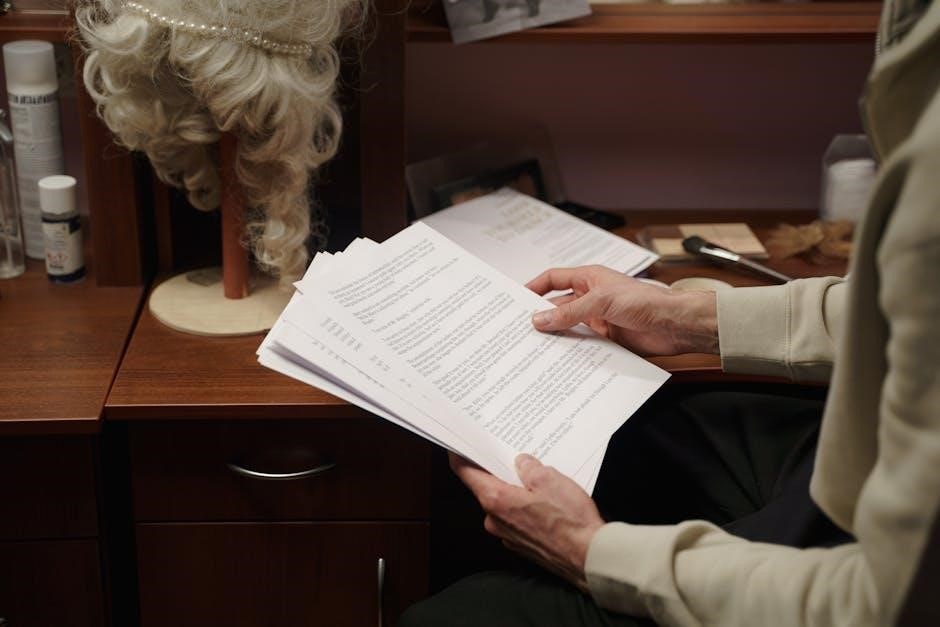
Unauthorized reproduction or distribution of the script PDF is a copyright violation. This includes copying‚ sharing‚ or posting the script online without explicit authorization. Strict adherence to copyright law protects the playwright’s and publisher’s rights.
Educational use may have different guidelines‚ but generally requires obtaining the necessary permissions even for classroom readings or workshops. Understanding these legal considerations is paramount for schools‚ community theaters‚ and any organization intending to perform or utilize the script. Ignoring these restrictions can lead to legal repercussions and undermines the integrity of the work. Always verify current licensing terms with DRAMATISTS PLAY SERVICE‚ INC.
Alternative Formats and Adaptations
Beyond the standard full-length play script PDF‚ adaptations exist catering to diverse performance needs. These include shortened versions for high school productions‚ one-act plays‚ and even radio play adaptations‚ offering flexibility for various venues and resources.
While the official script from DRAMATISTS PLAY SERVICE‚ INC. remains the definitive version‚ educators and theater groups sometimes create their own abridged or modified scripts for specific purposes. However‚ altering the script without permission raises copyright concerns.
Furthermore‚ the story of Anne Frank has inspired numerous other artistic interpretations‚ including films‚ documentaries‚ and operas. Exploring these alternative formats can provide a broader understanding of Anne’s life and the historical context. However‚ when studying or performing‚ referencing the original play script PDF ensures fidelity to the playwright’s vision and maintains the integrity of the source material.
Reading the Diary Alongside the Play Script
Engaging with Anne Frank’s original diary while studying the play script PDF enriches understanding and provides crucial context. The play‚ adapted from her writings‚ necessarily condenses and dramatizes events for theatrical impact. Reading the diary reveals the nuances of Anne’s voice‚ thoughts‚ and evolving perspectives that may not be fully captured on stage.
Comparing the diary entries with the corresponding scenes in the play highlights the playwrights’ choices in adaptation – what was emphasized‚ omitted‚ or altered. This process fosters critical thinking about dramatic interpretation and the challenges of representing historical events.
Moreover‚ the diary offers deeper insight into the characters’ personalities and relationships‚ enriching the audience’s appreciation of their motivations and struggles. It allows for a more profound connection with Anne’s spirit and the universal themes of hope‚ resilience‚ and the importance of remembrance‚ making the play’s impact even more powerful.
No Responses